


Introduction
When comparing wearable sensors vs home medical hubs, many people assume they serve the same purpose. In reality, they play very different roles in remote patient monitoring and home healthcare.
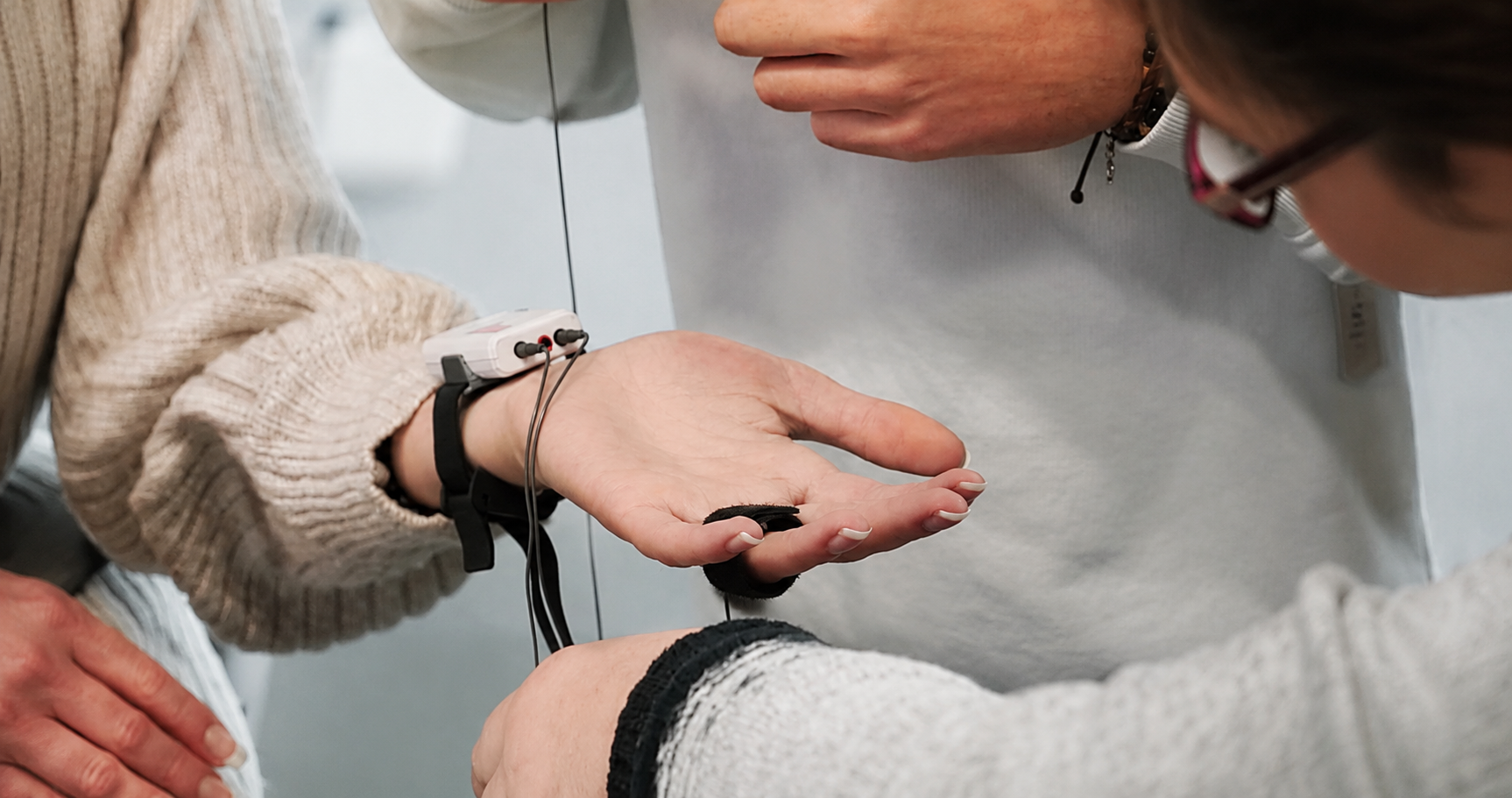
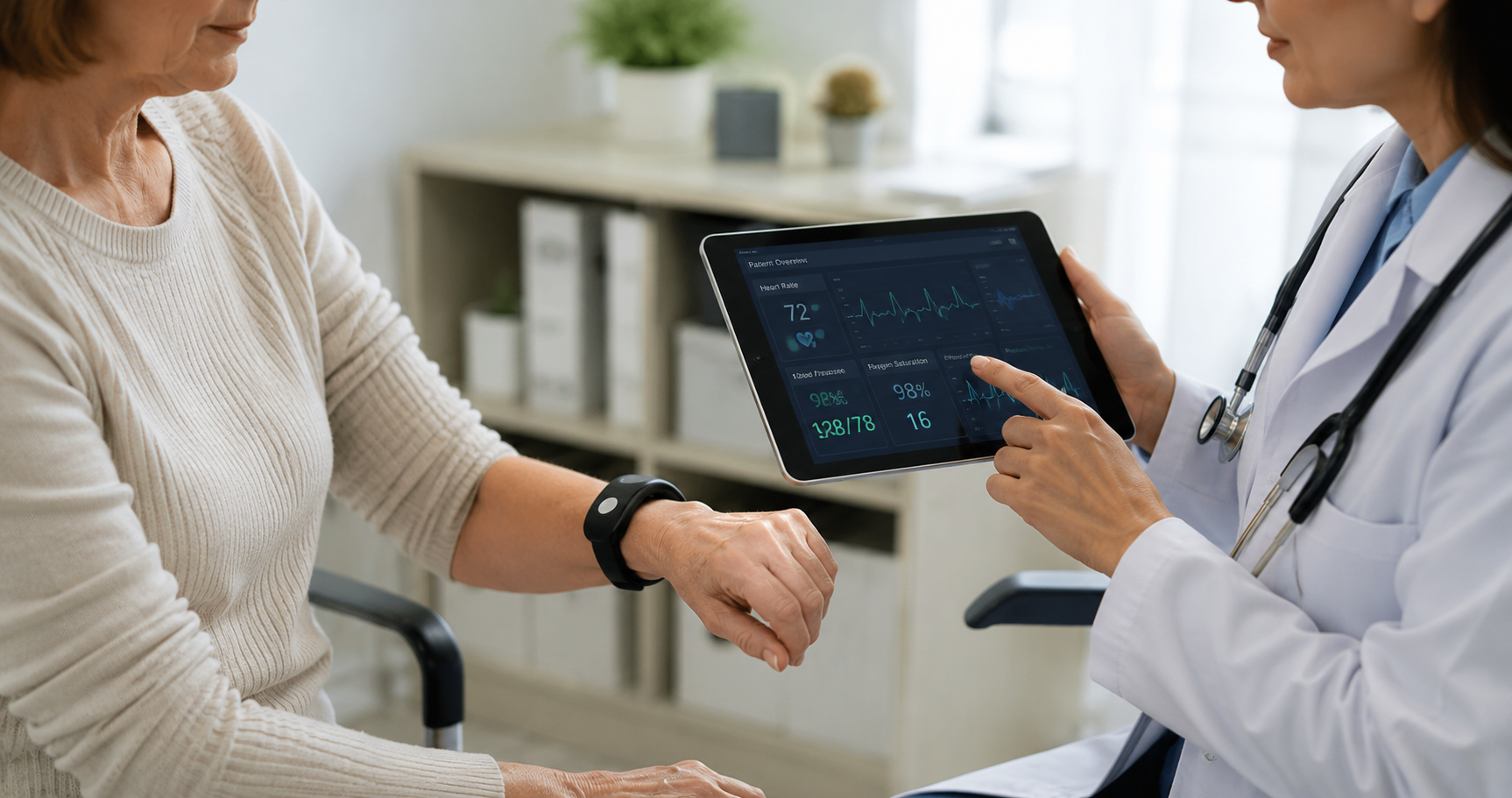
Wearable sensors are designed to collect continuous health data such as heart rate, oxygen saturation, sleep patterns, glucose levels, or physical activity. Home medical hubs, on the other hand, act as centralized systems that receive, organize, and transmit health information from connected devices to healthcare providers.
As remote healthcare adoption continues to grow, understanding the difference between wearable sensors vs home medical hubs has become important for patients, caregivers, clinics, and healthcare organizations. Choosing the right setup can improve patient monitoring, support chronic disease management, and reduce unnecessary hospital visits.
In this guide, we will break down what wearable sensors and home medical hubs are, how they work, their key differences, and when each is most useful in a real-world healthcare setting.
Why should you invest in RPM and wearables?
The US RPM market is forecast to grow rapidly with strong CAGR and rising utilization, showing millions of RPM services and hundreds of millions in reimbursement growth in recent years.
Small pilots show medication adherence improvements to high levels (example pilot: 98% dose-level adherence with a hub model).
Wearable sensor studies report high sensitivity and AUROC values for mobility/fall detection and AFib in selected devices, supporting targeted clinical use cases.
Why should a clinic owner in Arizona choose one over the other?
Analyse by looking up these 4 questions:
1. What clinical problems does each solve best?
Wearable sensors:
Long-term trend detection (AFib screening, activity, fall risk, chronic disease behavior monitoring), useful for ambulatory patients and population health programs.
Home medical hubs:
Medication adherence, structured vitals capture, remote clinician workflows (virtual check-ins, caregiver coordination) and bridging digital literacy gaps in older patients.
Which fits Arizona clinics and patient demographics?
Aging and rural populations benefit from hubs that improve adherence and structured support; tech-savvy urban patients may prefer wearables for mobility and independence.
2. What are the measurable benefits clinics can expect from each solution?
Wearable sensors
– Improved early detection: studies show high sensitivity for AFib detection and fall-risk prediction in specific wearables, with some AUROC values >0.9 in mobility/fall risk models.
– Engagement: many patients are willing to share wearable data with providers (70% reported willingness in a recent survey) which helps chronic care programs.
Home medical hubs
– Medication adherence gains: pilot reports found dose-level medication adherence up to 98% with a hub + caregiver model in small studies.
– RPM outcomes: systematic reviews of remote patient monitoring show reductions in hospital admissions/readmissions and better adherence with RPM programs overall.
3. What are the main limitations and risks of wearables and hubs?
What accuracy and alert risks should clinics expect?
Wearables:
Variability in measurement accuracy vs clinical-grade devices; false positives/alerts can be high for some vitals (example: some wearable NEWS2-style alerts had very high false positive rates in studies) and agreement with traditional vitals may be poor in certain contexts.
Hubs:
Reliance on patient setup, connectivity and need for caregiver or clinic staff to manage escalations; hubs can give a false sense of security if workflows for abnormal readings are not established.
Data security and Regulatory risk
Both device types transmit sensitive health data and require HIPAA-safe handling and vendor diligence; FDA oversight is evolving for digital health and RPM tools.
Contraindications and clinical caution
– Do not use consumer wearable single-sensor readings alone for medication changes, acute triage, or replacing in-person assessment for unstable patients; use them as adjunctive trend data.
– Patients with implanted devices, severe arrhythmias, or unreliable skin contact (e.g., dermatitis) may produce unreliable wearable data; hubs relying on patient-operated cuffs or scales need training and validation.
What are common pain points clinic owners face?
Real users report these recurring issues:
1. Workflow friction: extra clicks, duplicate records, slow UIs and data that don’t integrate cleanly into EHRs.
2. Data overload: too many false alerts or unfiltered streams that burden clinical staff.
3. Implementation and training pain: poor onboarding, staff escalation SOP, and inconsistent support.
How should clinic owners evaluate vendors?
Key evaluation criteria should look like:
1. Clinical validity: published studies or FDA clearances for the specific clinical use.
2. Alert management: customizable thresholds, false-positive reduction algorithms.
3. Patient usability: easy setup for older adults and language options.
4. Billing support: RPM codes and reimbursement workflows for US clinics.
5. Security & compliance: HIPAA, SOC2 and data residency policies.
6. Integration: EHR connectors and HL7/FHIR support.
How can clinics in Arizona get started with a hybrid approach?
1. Select patient cohort (CHF/AFib or high-risk polypharmacy).
2. Deploy wearables for continuous trend detection + a home hub for structured vitals and medication dispensing for high-adherence patients.
3. Define alert thresholds, staff escalation SOP, and EHR flows.
4. Measure adherence, readmission rate, staff time per alert, patient satisfaction. (RPM usage in the US has increased and demonstrates reductions in readmissions in many studies).
Ready to pilot a RPM program that fits Arizona clinics? Book a free 1:1 consultation with c-lynx today.
FAQs
1. Are wearables or home hubs better for medication adherence?
Hubs with dispensing and reminder workflows usually perform better for medication adherence; wearables help with behavior tracking but are less reliable for dose-level adherence.
2. Can I rely on consumer wearables for clinical decisions?
Use consumer wearables for trends and screening; confirm clinically important findings with medical-grade devices or in-person assessment.
3. Do hubs require broadband?
Yes, hubs need reliable home connectivity; plan alternatives for rural Arizona patients or provide cellular-enabled options.
4. What are contraindications for wearable use?
Poor skin contact, implanted devices, or severe arrhythmias where consumer devices are unvalidated; do not use them to change medications without clinical confirmation.